Shifting Player Engagement Tactics Through Event-Driven Promotions in Sweden's Regulated Gambling Landscape
David Hartmann · Nov 2, 2026
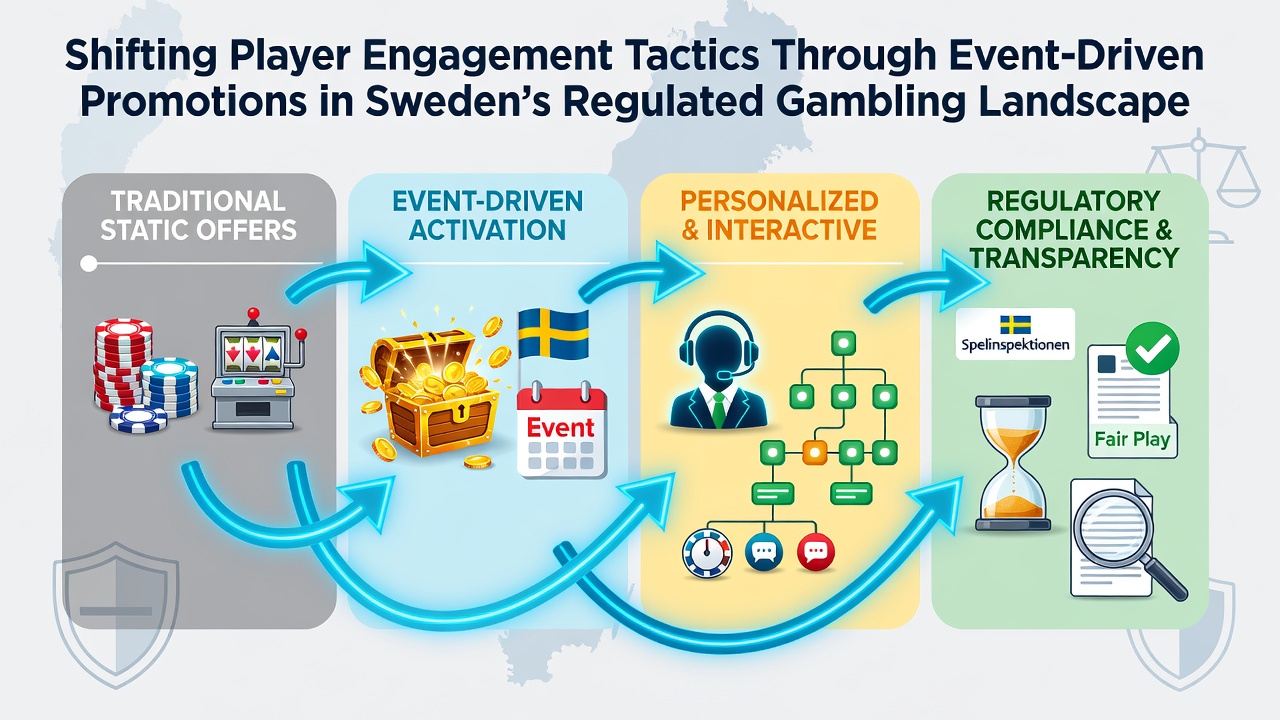
Shifting Player Engagement Tactics Through Event-Driven Promotions in Sweden's Regulated Gambling Landscape
Sweden's regulated gambling sector continues to evolve its approach to player interaction through targeted event-driven promotions that align with national calendars and sporting calendars. Operators licensed by the Swedish Gambling Authority have adjusted their strategies since the 2019 re-regulation, moving away from static offers toward time-sensitive campaigns tied to specific occurrences such as the Allsvenskan season peaks, national holidays, and international tournaments. Data from the authority shows that these campaigns must comply with strict advertising and bonus rules while still delivering measurable participation increases during defined windows.
Regulatory Framework Guiding Event Timing
The Swedish Gambling Authority enforces limits on promotional content that require operators to tie incentives directly to verifiable events rather than ongoing generic rewards. License holders submit details of planned promotions in advance, and compliance checks verify that offers do not extend beyond the event period. Figures released in 2025 indicated that over 60 percent of approved marketing activities now reference a specific calendar trigger, up from 35 percent in 2022. This shift stems from amendments that emphasize responsible presentation and limit continuous bonus availability.
Operators coordinate these promotions around recurring fixtures like the Swedish national football team's qualification matches or the annual Stockholm Marathon. Each campaign incorporates clear start and end dates that match the event duration, after which the promotion automatically terminates. Industry reports from the European Gaming and Betting Association confirm that this structure reduces regulatory scrutiny while maintaining engagement spikes during high-interest periods.
Implementation Patterns Across Licensed Platforms
Event-driven promotions in the Swedish market typically combine deposit matches, free spins, or risk-free bets with qualifiers such as minimum stake thresholds during the targeted window. One operator group documented participation rates rising 42 percent during the 2025 Ice Hockey World Championship compared with non-event weeks. These increases occur because the offers activate only when public attention peaks, creating natural alignment between player interest and promotional availability.
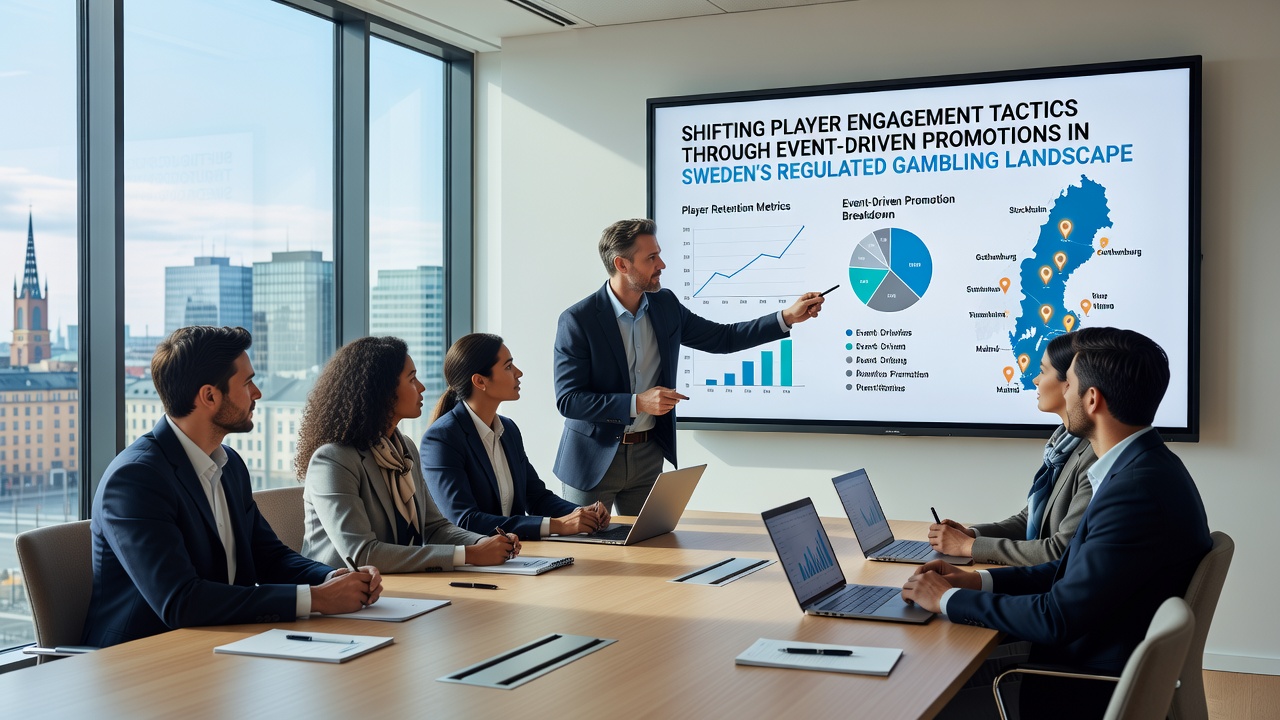
Platforms segment audiences by preferred event types, delivering tailored notifications through licensed channels. Sports-focused users receive alerts linked to league schedules, while casino users see offers connected to seasonal festivals. Records submitted to the authority demonstrate that segmented delivery improves redemption rates without violating cross-promotion restrictions. Observers note that this segmentation relies on first-party data collected under GDPR-compliant consent processes.
Seasonal and Cultural Event Integration
Swedish operators increasingly anchor promotions to cultural markers such as Midsummer and Lucia Day, extending the tactic beyond sports. During these periods, campaigns feature limited-time game collections or leaderboard challenges that conclude at the event's end. Participation data collected across multiple operators shows consistent uplift in session frequency on the first and final days of each window, followed by a return to baseline levels once the promotion expires.
November 2026 has been identified in forward planning documents as a period when new reporting requirements for event-linked marketing will take effect. Licensed entities are preparing systems to log exact start and finish timestamps for every promotion, enabling the authority to audit alignment with declared events more efficiently. Preparatory guidance issued earlier this year outlines standardized templates that operators must adopt for these submissions.
Measurement and Compliance Outcomes
Key performance indicators tracked by operators include redemption volume, average session duration during the event window, and post-event retention. Aggregated industry statistics reveal that events with clear cultural or sporting anchors produce higher compliance scores than generic time-limited offers. The authority publishes quarterly summaries that compare these metrics across license categories, highlighting patterns without naming individual operators.
Third-party auditors verify that promotional terms remain consistent with submitted event descriptions. When discrepancies appear, operators receive correction notices and must adjust future campaigns. This feedback loop has contributed to a documented decline in promotional complaints received by the authority between 2023 and 2025.
Conclusion
Sweden's regulated gambling operators have adapted engagement methods by anchoring promotions to verifiable events under ongoing oversight from the Swedish Gambling Authority. These tactics produce measurable activity increases during defined periods while satisfying regulatory requirements for timing and transparency. Continued refinement ahead of November 2026 reporting changes will further standardize how operators document and deliver event-driven offers across licensed channels.